
Direct Answer: Bed Bug Treatment
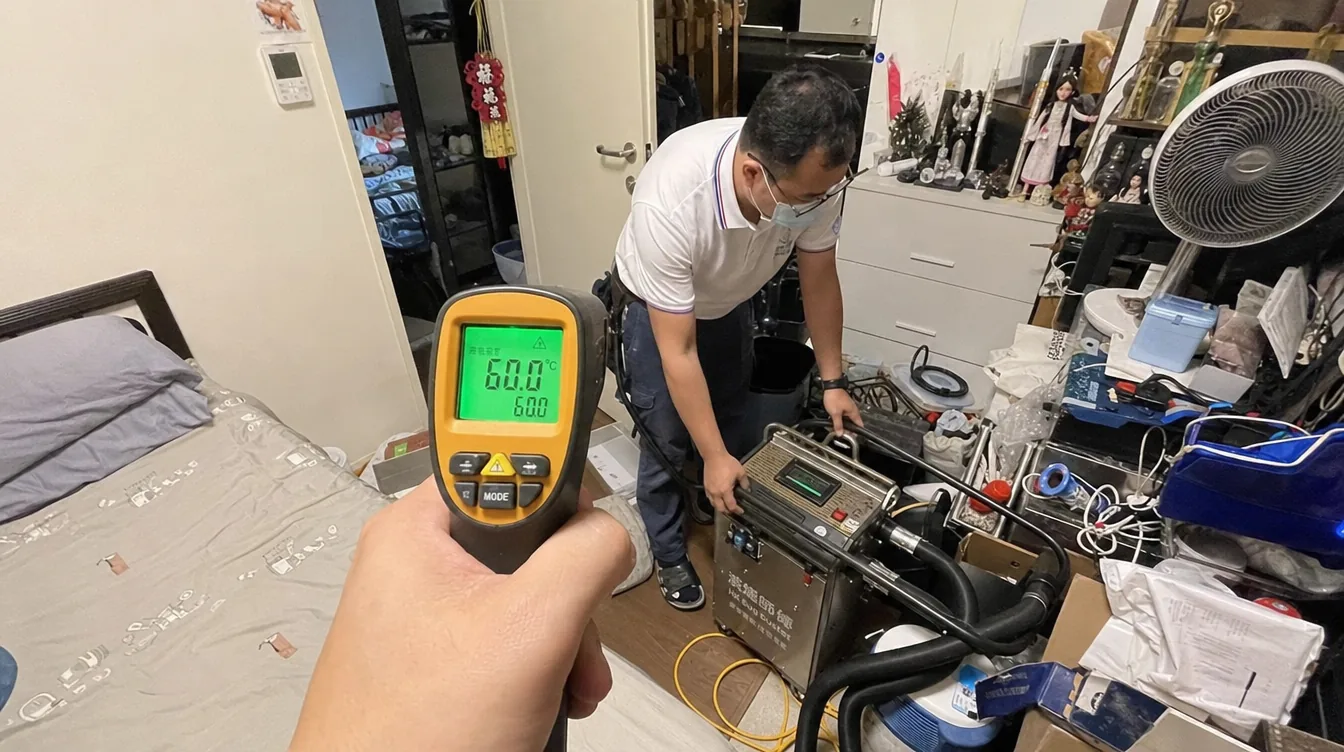
Bed bug treatment usually does not require throwing away mattresses or furniture. HK Bug Buster uses whole-home heat treatment, heating the area to 60°C for at least 3 hours, then applying non-toxic physical DE powder where suitable. In most cases, clients can re-enter the same day after treatment and safety checks.
Our bed bug service highlights
Break-the-cycle service plus one-year warranty. Our flagship approach is whole-home heat coverage, designed to eliminate the vast majority of bed bug activity in one treatment (around 99% under suitable site conditions), backed by follow-up during the warranty period.
Typical appointment: 9:00am–5:00pm. The treatment area is heated to 60°C and held for at least 3 hours to cover beds, sofas, skirting areas and key harbourages.
With our whole-home heat plus physical DE powder method, mattresses, bed frames, sofas and timber furniture can be kept. Clients do not need to throw them away or spend extra on replacements.
Pesticide-heavy work can raise residue concerns and may scatter insects. Steam is slower, easy to miss and can leave the home damp after treatment.
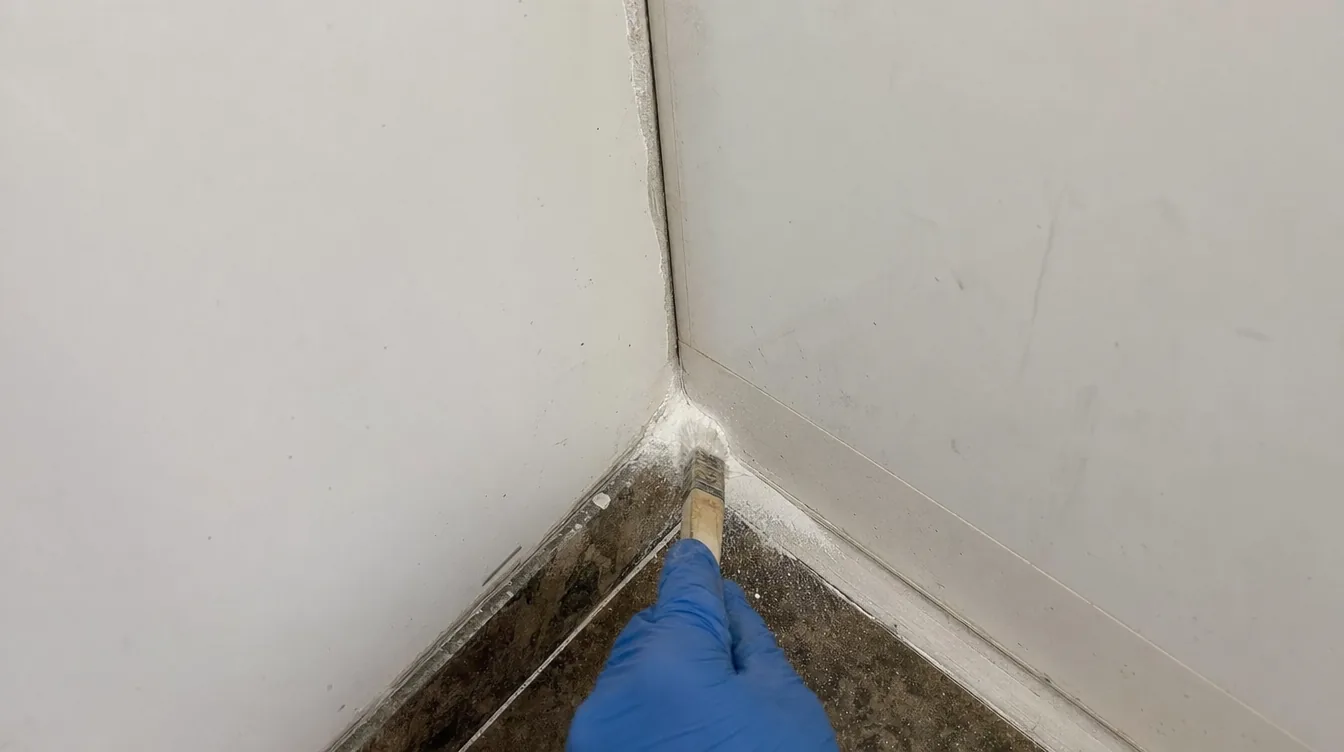
We combine full-coverage heat with our own physical DE powder approach: non-toxic, persistent and designed to reduce chemical residue concerns.
What bed bugs are
Bed bugs are small, flightless insects that feed on blood, mostly at night. Adults are roughly apple-seed sized, flattened when unfed and redder when engorged. Juveniles (nymphs) are smaller and paler. Correct identification matters because carpet beetles, booklice and other insects are often mistaken for bed bugs.
Signs people notice
- Live insects near mattress piping, headboard joints or sofa seams.
- Dark faecal spotting on bedding or fabric—often along seams.
- Blood specks from crushed feeding insects.
- Cast skins in corners where nymphs moulted.
- Itchy skin reactions after sleep—reactions vary; bites alone are not proof.
Where they hide (typical Hong Kong flats)
Bed bugs are not only “in the bed”. They travel along joints and textiles. Common harbourages include:
- Mattress and divan piping, labels and corner caps.
- Bed frames—especially screw heads, bolt holes and wooden joints.
- Headboards fixed to walls, cable runs and bedside furniture.
- Sofas, recliners and fabric storage benches in living rooms.
- Skirting gaps, loose wallpaper edges and curtain folds in heavier infestations.
In subdivided units, movement along false ceilings or shared partition channels can be relevant. We map these before committing to a method mix.
Hong Kong context
High humidity, frequent travel and active second-hand furniture markets all increase introduction risk. Our heat treatment is contained within your unit, so neighbours do not need to be alarmed or affected by the work.
How we plan treatment
- Inspection: identify life stages, extent and sensitive areas (kitchens, medicine storage, fish tanks, IT equipment).
- Written scope: rooms included, estimated visits, preparation checklist, re-entry timing.
- Treatment: full-coverage heat with physical powder in suitable locations, planned around site safety—not a one-size template.
- Verification: passive monitors or targeted re-inspection windows, depending on severity.
- Prevention briefing: luggage, second-hand goods, guest rooms, staff lockers for commercial sites.
Our method: full-coverage heat plus physical powder
Our bed bug programme is not led by blanket pesticide spraying. We use whole-home heat as the core method: raising the treatment area to 60°C and holding it for at least 3 hours, then adding physical DE powder in suitable locations for longer-lasting coverage.
- Whole-home heat: improves coverage around beds, sofas, skirting lines and hidden harbourages.
- Physical DE powder: non-toxic, persistent and physical in action rather than relying on conventional poisoning.
- Less dampness and residue concern: compared with heavy steam or pesticide-led work, heat is cleaner and drier when the site is suitable.
- One-year warranty: if suspicious activity appears during the warranty period, we can arrange follow-up according to the case.
We still inspect heat-sensitive items, electronics, candles, compressed cans, pet items and other safety risks before starting.
Preparation (typical checklist)
- Bag and seal food, medicines and aquariums as instructed.
- Clear floor access to bed frames and wardrobes; do not dismantle furniture unless asked.
- Launder and heat-dry bedding on the schedule we provide—avoid random bagging of entire rooms unless advised.
- Photograph electronics clusters and fragile collections before we move anything.
After treatment
You may still see isolated activity during the monitoring window. That does not always mean failure—it can reflect egg hatch or insects moving from untreated objects brought in later. We explain what to watch for and when to call back.
Hotels, guesthouses and offices
We can schedule discreet time windows, minimise lobby signage and provide short written summaries for internal QA. For multi-room sites we coordinate floor-by-floor to reduce cross-traffic.